
A fulfilling trip to Pu Luong isn’t about ticking off as many places as possible, it’s about arriving with a genuine understanding of the land itself.

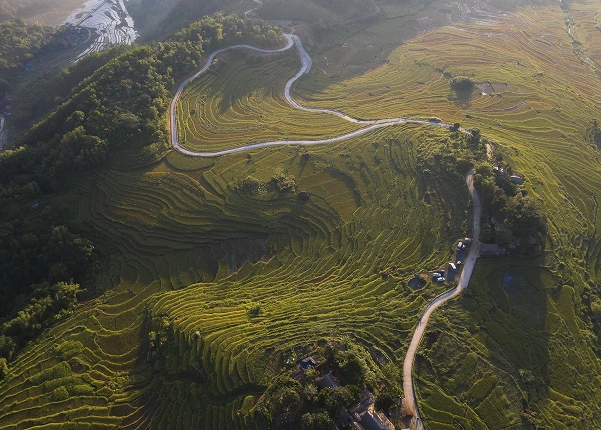
Pu Luong shifts with the seasons. Spring brings vivid green rice shoots spreading across the terraces; harvest time turns the hillsides gold; summer sends clear water running through every village and valley. Each change follows the agricultural rhythm of the people who have lived here for generations. It tells you what to seek out, where to go, and what to slow down for.

Everything you need to plan around Pu Luong’s seasons and everything there is to do here. You’ll find in this section.

Pù Luông: Where Golden Seasons Breathe with the Land

In Pù Luông, life isn’t measured by a conventional calendar, but by the rhythm of the rice—from the vibrant green of new seedlings to the brilliant gold of the harvest, and the shimmering “mirrors” of the water-falling season.

Unlike many mountain regions that only have one crop per year, Pù Luông is blessed with two. Each season tells its own story of the earth, the weather, and the hardworking hands that tend it.

1. The Spring-Summer Crop (January – June): Radiant Sun & Pure Sweetness

As the spring mist still lingers over the stilt houses, we sow the first seeds of tẻ rice (plain rice).

  • The Rice: These slender stalks reach about 70–90cm. Once ripe, they produce long, translucent grains—a humble gift that sustains our mountain people daily.
  • The Weather: Harvest falls in May and June. Expect a tropical summer vibe with temperatures averaging 28°C – 33°C. Though it’s warm and humid, this is when the sky is at its bluest and the golden sunlight creates a landscape so poetic it feels like a dream.
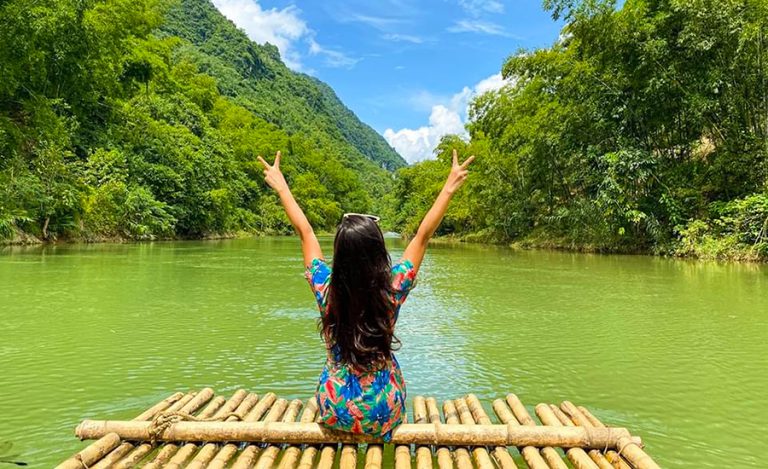
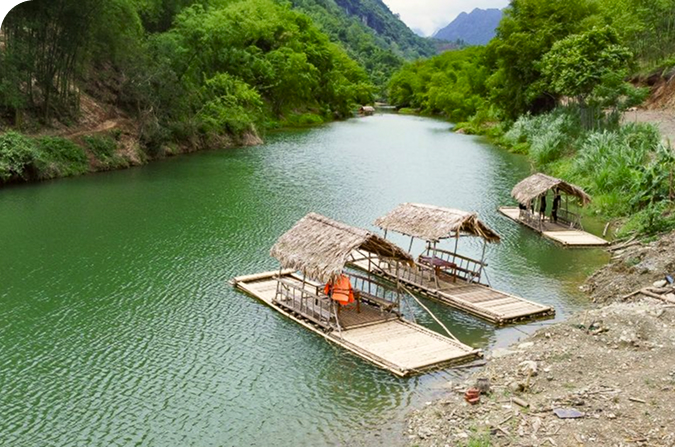
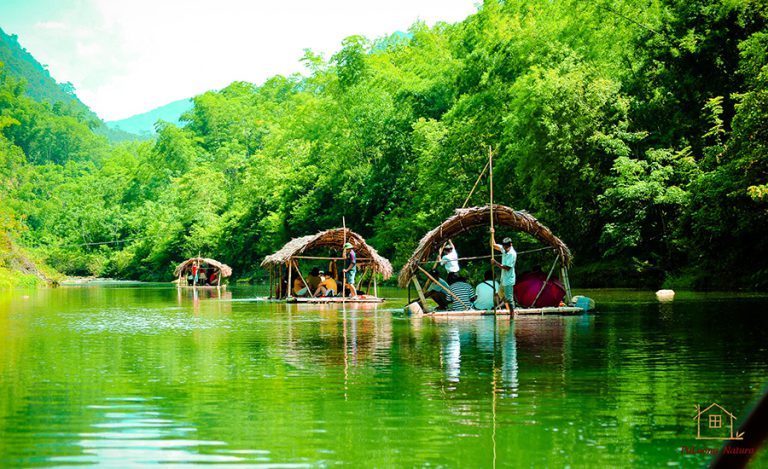
  • Destinations & Experiences: To escape the heat, seek out Hiêu Waterfall, where the water flowing from limestone mountains remains perpetually cool, or drift peacefully on a bamboo raft along the Chàm Stream.
  • Harvest Flavors:
    • Stone Snails: Only appearing in the rainy season (May–June), these snails hide in limestone crevices. Their meat is firm, crunchy, and carries a clean, natural sweetness.
    • Bamboo-tube Rice (Cơm Lam) & Sticky Rice: Made from freshly harvested upland rice. While Cơm Lamcarries the scent of smoke and bamboo, the fragrant Purple Sticky Rice is the heart of the New Rice Celebration—a sacred ritual to thank heaven and earth for a bountiful harvest.

2. The Autumn-Winter Crop (July – November): A Chilly Symphony & Fragrant Sticky Rice

This is the season of nếp nương (upland sticky rice)—the true “muse” of the Pù Luông valley.

  • The Rice: The sticky rice stalks stand proud and tall (sometimes over 1.6m). The grains are round and plump, releasing a heady fragrance even while still in the field.
  • The Weather: Harvest takes place in late October and early November. Winter begins to settle in with a pleasant chill, averaging 18°C – 24°C. While the sun may not be as fierce as in summer, the cool air is perfect for trekking through villages or exploring Bat Cave.
  • “Premium” Delicacies:
    • Bee Larvae & Bamboo Worms: These “treasures of the forest” are rich and buttery—a specialty that awakens the palate.
    • Cơm Lam & Sticky Rice: (As described above, these remain the soul of the harvest feast).

Experiences That “Touch” the Soul of the Harvest

No matter which season you visit, you are invited to join the vibrant rhythm of the Thai people:

  • The Harvest Hand: Step into the fields with the locals. Hold a sickle and listen to the rhythmic thresher echoing against the cliffs to feel the true joy of labor.
  • Grasshopper Hunting: A delightful folk activity during harvest. Crispy fried grasshoppers are a local favorite and the perfect savory snack for a mountain meal.
  • New Rice Celebration: About five days after the grain is safely in the granary, we gather to thank our ancestors. If you are lucky enough to visit during this time, you’ll be welcomed into a stilt house to share a jar of Rượu Cần(straw liquor) and taste the season’s first fragrant bowl of rice.

The Journey of the Golden Grain

To ensure a bountiful season, the farmer must be as patient as an artist:

  • Mending & Channeling: We meticulously reinforce the terrace walls and use bamboo pipes to channel water from the mountaintops, soaking the earth until it turns into a fine, smooth mud.
  • The Skilled Touch: From nursing the seedlings to transplanting them, every stalk is spaced perfectly to breathe in the mountain air and soak up the sun.
  • Care & Closing: For four months, we listen to the “breath” of the rice, weeding by hand and keeping the water levels just right. Once harvested, the straw is burned directly in the field, returning nutrients to the earth as ash for the next cycle of life.

In Pù Luông, each grain of rice is more than just food; it is the essence of heaven and earth, distilled from the deep love our people have for this land.

Tour options

At Natura, our proudest specialty is customized journeys that let you experience Pù Luông your way. Explore our thoughtfully crafted signature itineraries below. Or, simply share your preferences, and our local team will tailor-make a one-of-a-kind adventure exclusively for you in a matter of minutes!
Sed ut perspiciatis unde omnis iste natus error sit voluptatem accusantium dolorem que laudantium, totam rem

Most travelers come to Vietnam for the rice terraces. Fewer know that in Pù Luông, the terraces flood – and transform – not once, but twice a year.

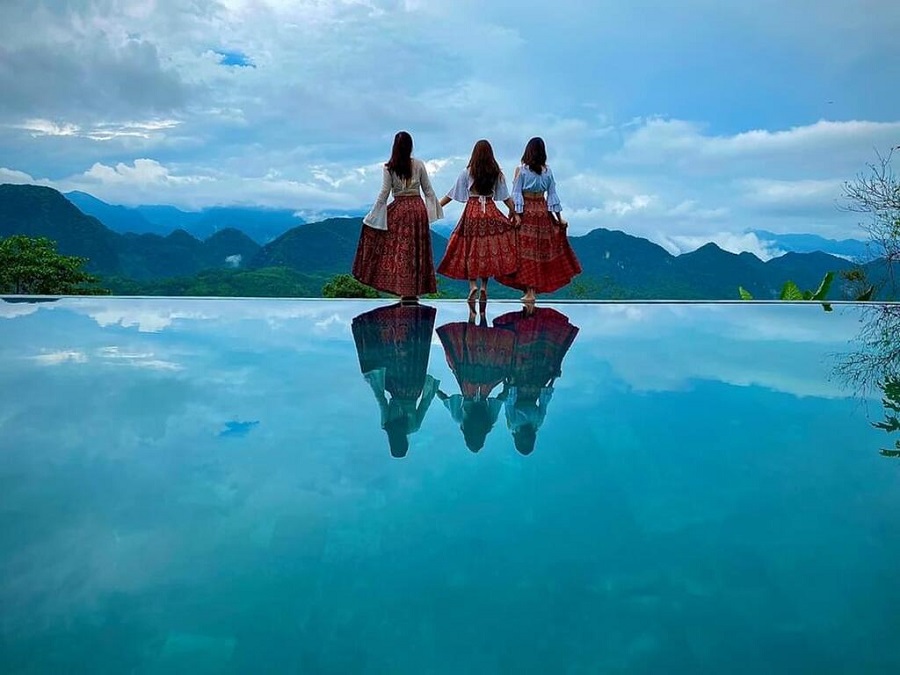
During these windows, the hillsides above the valley stop looking like farmland and start looking like something from a long-exposure photograph: still water catching cloud, ridge, and sky, stacked in layers all the way up the mountain. Local Thai and Muong farmers are already knee-deep, planting the next season’s crop. The whole reserve is doing what it has done, uninterrupted, for generations.

What Is the Water Season?

Water season, known locally as mùa nước đổ (the season of poured water) is when farmers deliberately flood their terraced paddies to prepare the soil for planting. The water comes from mountain streams and a traditional irrigation system, built by Thai and Muong communities, that channels water from lower streams up into the higher fields.

First water season: June – September
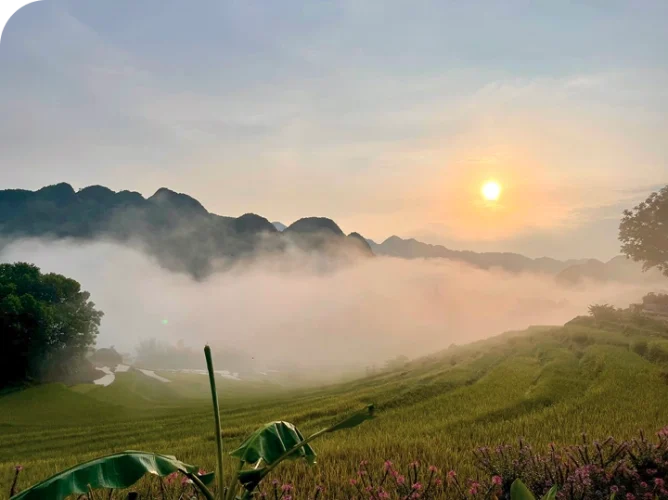
Water season runs from late May through August — first the flooding and transplanting, then young rice growing from the terraces. The elevation keeps temperatures around 20°C even in summer, with morning mist and cloud inversions settling into the valley. The most atmospheric time of year to visit.

Second water season: October – November (before the December harvest) 

The second crop is planted in July. Fields are flooded again through October and into November. As the rice matures, the terraces shift gradually from green to amber. The light is softer than in the summer months, the weather is calmer, and there are fewer visitors. 

What Pù Luông Looks Like During Water Season — Hour by Hour

The experience of the water season changes completely depending on when you are outside.

Pre-dawn and sunrise (5:30 – 7:30 AM) The air at Pù Luông’s elevation is cool even in July – typically 18-22°C at first light. As the sun rises, the mist begins to lift and the flooded terraces emerge below. 

Mid-morning (8:00 – 10:00 AM) The mist clears. The water in the terraces catches direct light and turns from silver to green to blue depending on angle and cloud cover. 

Midday – afternoon The light flattens but the landscape remains extraordinary. Water temperature in the pools beneath reaches a comfortable level for swimming.

Late afternoon – dusk (4:30 – 6:30 PM) The golden hour in Pù Luông during water season is as good as it sounds. This is the second photography window of the day, and often the more dramatic one.

Practical Information

Getting here Pù Luông Nature Reserve is located in Ba Thuoc District, Thanh Hoa Province. From Hanoi’s Old Quarter: approximately 4.5 to 5 hours by car via Highway 6, continuing through Hoa Binh Province to Route 15C. Organised transfers can be arranged directly through Pù Luông Natura.

What to pack

  • Light rain jacket (essential June – August)
  • Shoes that can handle wet, muddy paths – sandals work well
  • Warm layer for mornings at elevation (even in summer, 6 AM at 600m+ is cool)
  • Sun protection for midday walks
  • Camera: a wide lens handles the terrace scale; a telephoto is useful for the water wheels and bird species in the reserve

Activities during water season

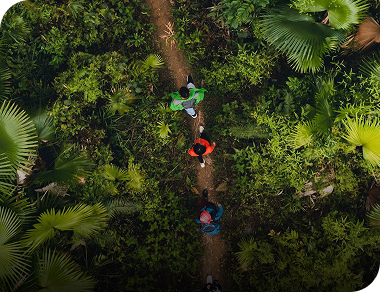
  • Trek the Ban Uoi and Kho Muong village rice terrace paths
  • Visit Hieu Waterfall – nine levels, best flow from June to September
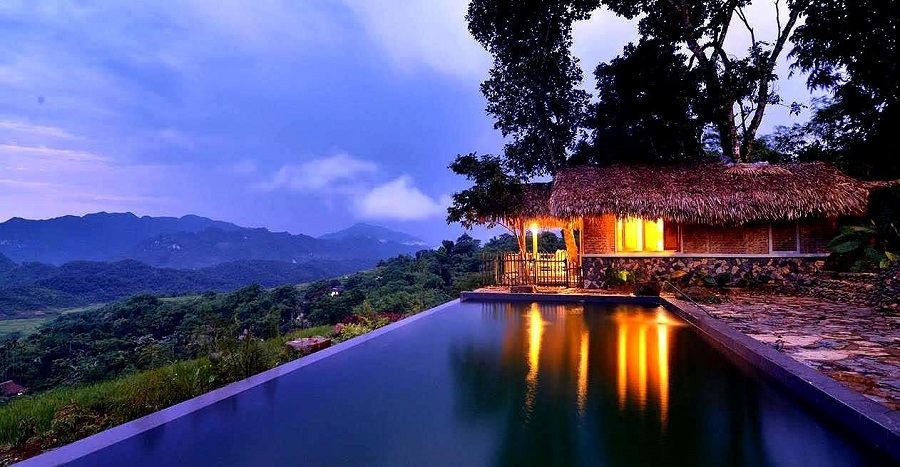
  • Sunrise viewpoint from the Pù Luông Natura ridge
  • Explore Doi Cave (Bat Cave) near Kho Muong village – home to several of the reserve’s 24 bat species

Tour options

Sed ut perspiciatis unde omnis iste natus error sit voluptatem accusantium dolorem que laudantium, totam rem

Customize your tour?

If you can not find any suitable above, please contact us for advice and price

Contact Us

Destination

Step outside and immerse yourself in the natural beauty of Pu Luong. We’ve gathered the most breathtaking spots in the valley for your itinerary. Whether you crave the thrill of an untouched cave, a refreshing waterfall, or the quiet of a local village, start here.

Cham River

After a sun-drenched trek, the Cham River offers a cool, gentle embrace. Drift lazily on a traditional bamboo raft, letting the year-round cool waters wash away the summer heat and worldly cares. It is the perfect place to find balance amidst the harvest energy.

Get location


Bat Cave

Hidden deep within the valley of Kho Muong village – home to the Muong people, Bat Cave is a primitive limestone wonder. The journey begins on a winding path through golden rice terraces. Stepping inside the vast cavern, you leave the summer heat behind to explore a cool, mystical world of ancient stalactites and four native bat species.

Get location


Hieu Waterfall

Tucked away in Hieu Village, the waterfall flows over limestone cliffs, creating crystal-clear, cool waters. It serves as a natural sanctuary to relax and find balance. Best visited from April to October, it is the perfect cool-down stop during your golden harvest season experience.

Get location


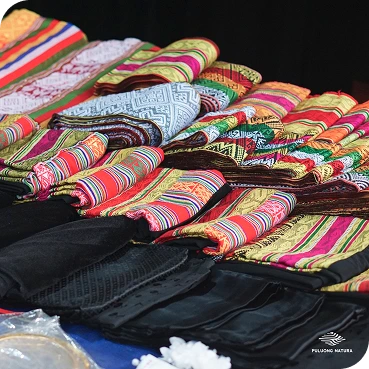
The Weaving Village

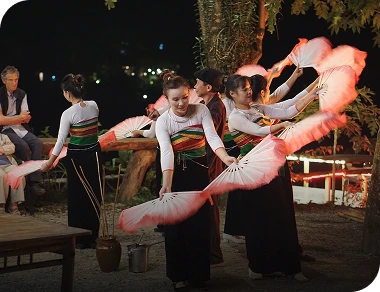
Follow the rhythmic clack-clack of the loom to find the soul of the village. Here, amidst the quiet stilt houses, grandmothers and mothers weave tradition into the vibrant fabrics that define the Black Thai heritage.

Get location


Experience

At Natura, we believe the best way to understand Pu Luong is to become part of it. We bridge the gap between visitor and local, inviting you to step beyond the scenery and live the authentic highland life.

Bike rental

Tour Services

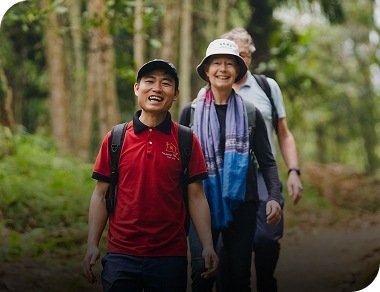
Local guide

Dance Show

Feedbacks

Ms. Kim / Ha noi

Lorem ipsum dolor sit amet consectetur adipiscing elit, sed do eiusmod tempor incididunt ut labore et dolore magna aliqua quis nostrud exercitation

Ms. Kim / Ha noi

Lorem ipsum dolor sit amet consectetur adipiscing elit, sed do eiusmod tempor incididunt ut labore et dolore magna aliqua quis nostrud exercitation

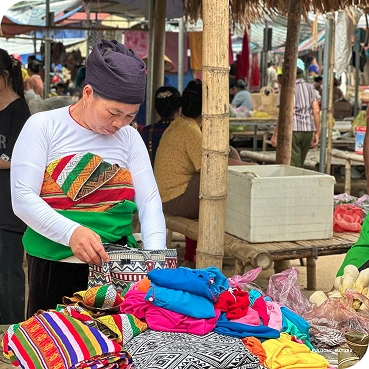
Souvernir

Take a piece of Pu Luong home. Natura’s curated selection of local specialties is a sincere “thank you” to the land and a way to directly support traditional crafts that are slowly fading.